

Welcome aboard!
A Brief History
The railway first reached Daylesford in 1880. In 1887, a second branch opened from North Creswick, linking the town to Ballarat. These lines supported passengers, timber, potatoes, spa water, and general freight. Regular passenger services ended decades ago, but dedicated volunteers restored the Daylesford to Bullarto section, with heritage services beginning in the 1990s.
About Your Train Today
Today’s service is operated by one of our heritage Victorian Railways railmotors or locomotives with restored carriages.
To learn more about the specific train you are travelling click HERE
Each vehicle has its own fascinating story — many date back to the 1920s–1950s and have been lovingly restored by our volunteers.
Daylesford station
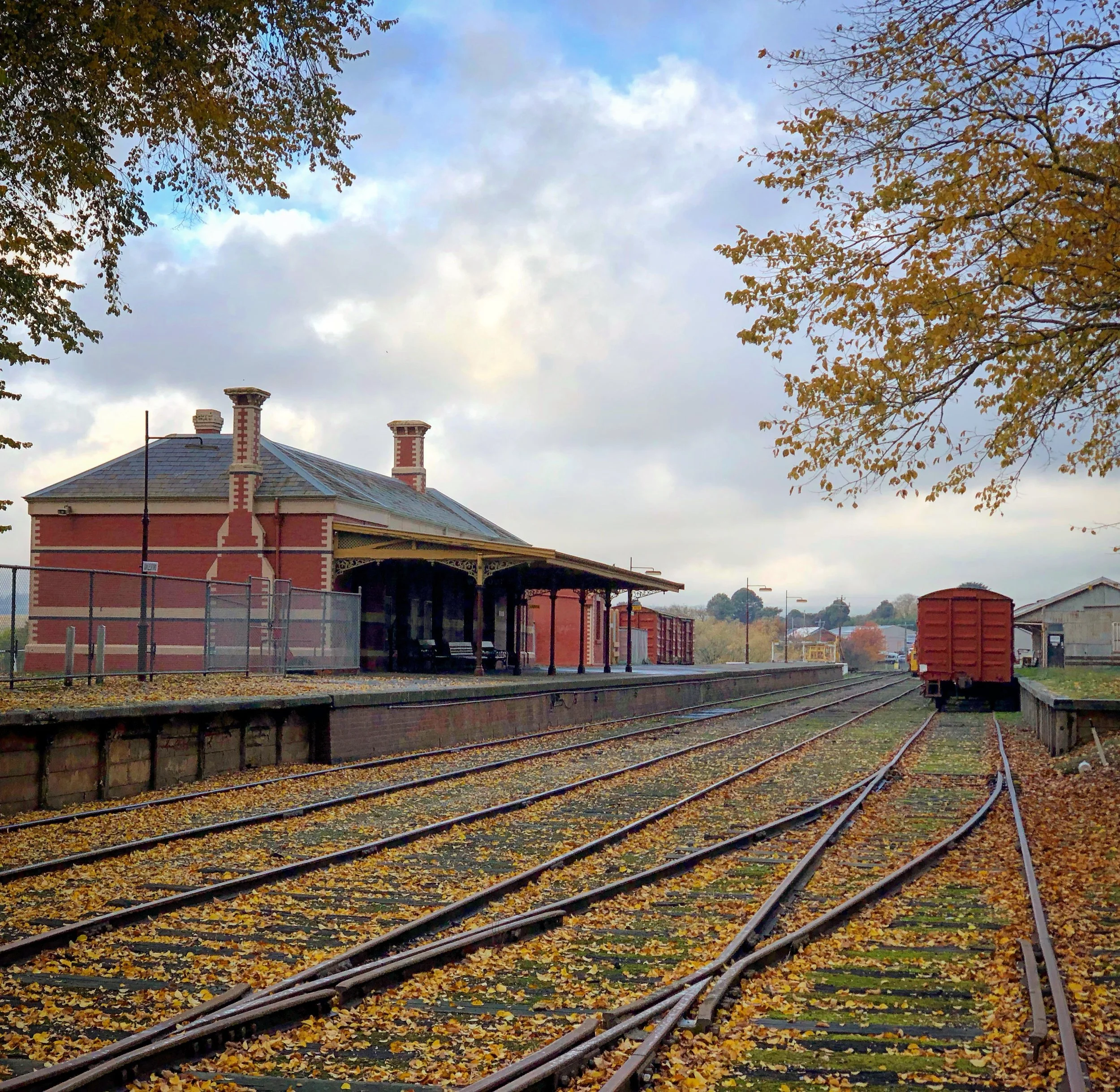
Built in 1882, the Daylesford station building features a unique design created specifically for this location. It was commissioned by the then Minister for Railways and controversial politician Sir Thomas Bent and stands as the only example of its kind in Victoria.
Together with the goods shed and station yard, it once served as an important regional terminus handling passengers, timber, potatoes, spa water, and general freight from two different branch lines.
You are now heading from Daylesford towards Musk, Passing Clouds, and the current terminus at Bullarto on the Daylesford Railway.
This scenic ride follows a restored section of the historic Carlsruhe–Daylesford branch line through the beautiful Central Victorian Highlands. Sit back, relax, and enjoy the classic sounds and motion of vintage rail travel.
Points of Interest Along the Way
As your train departs Daylesford station, watch for these highlights:
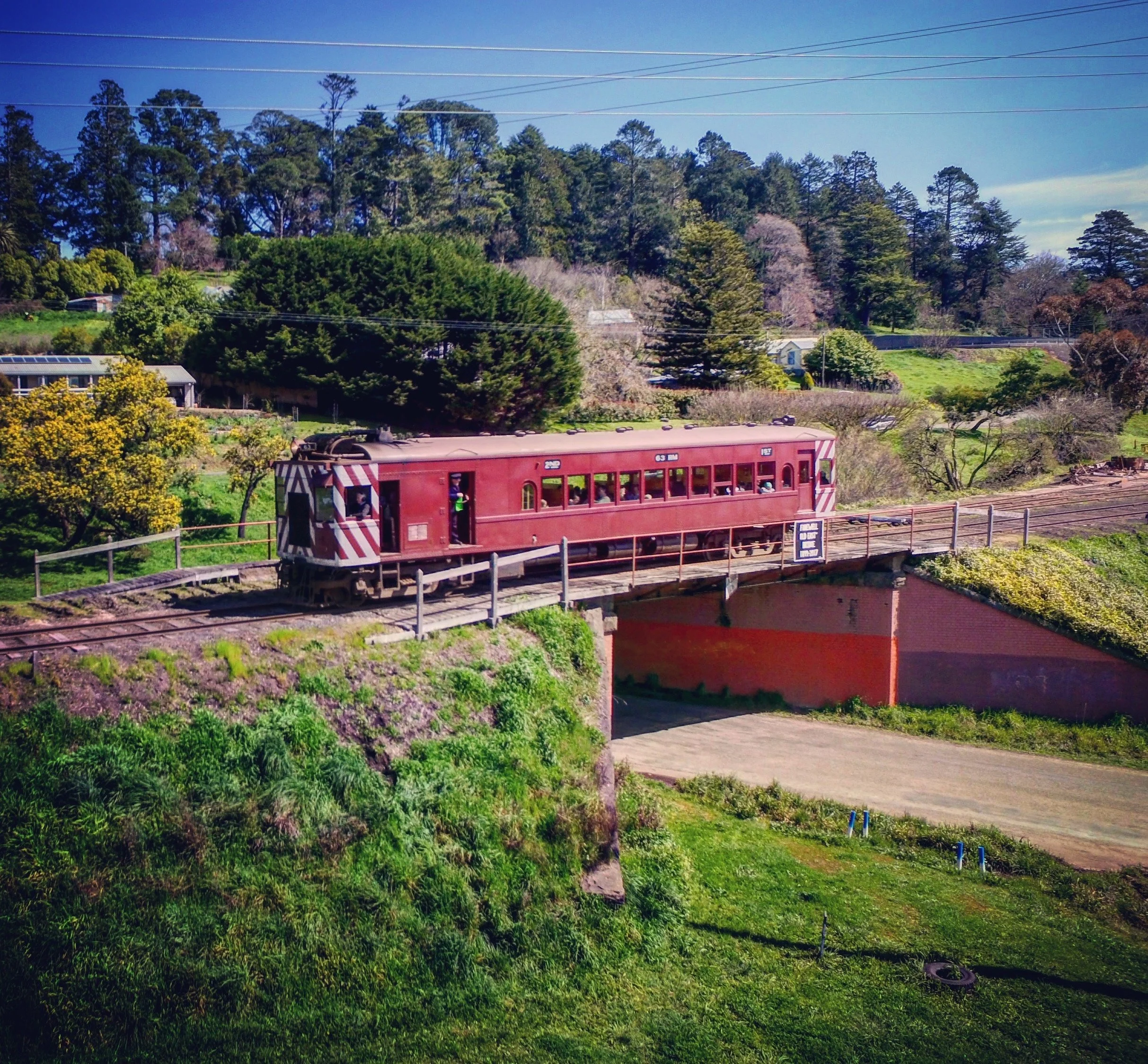
East Street Bridge Immediately after leaving the station, the train crosses the East Street bridge. Originally constructed in 1882 as a single-track timber trestle, it was replaced in 1899–1900 by the current wider double-track steel girder bridge on brick abutments.
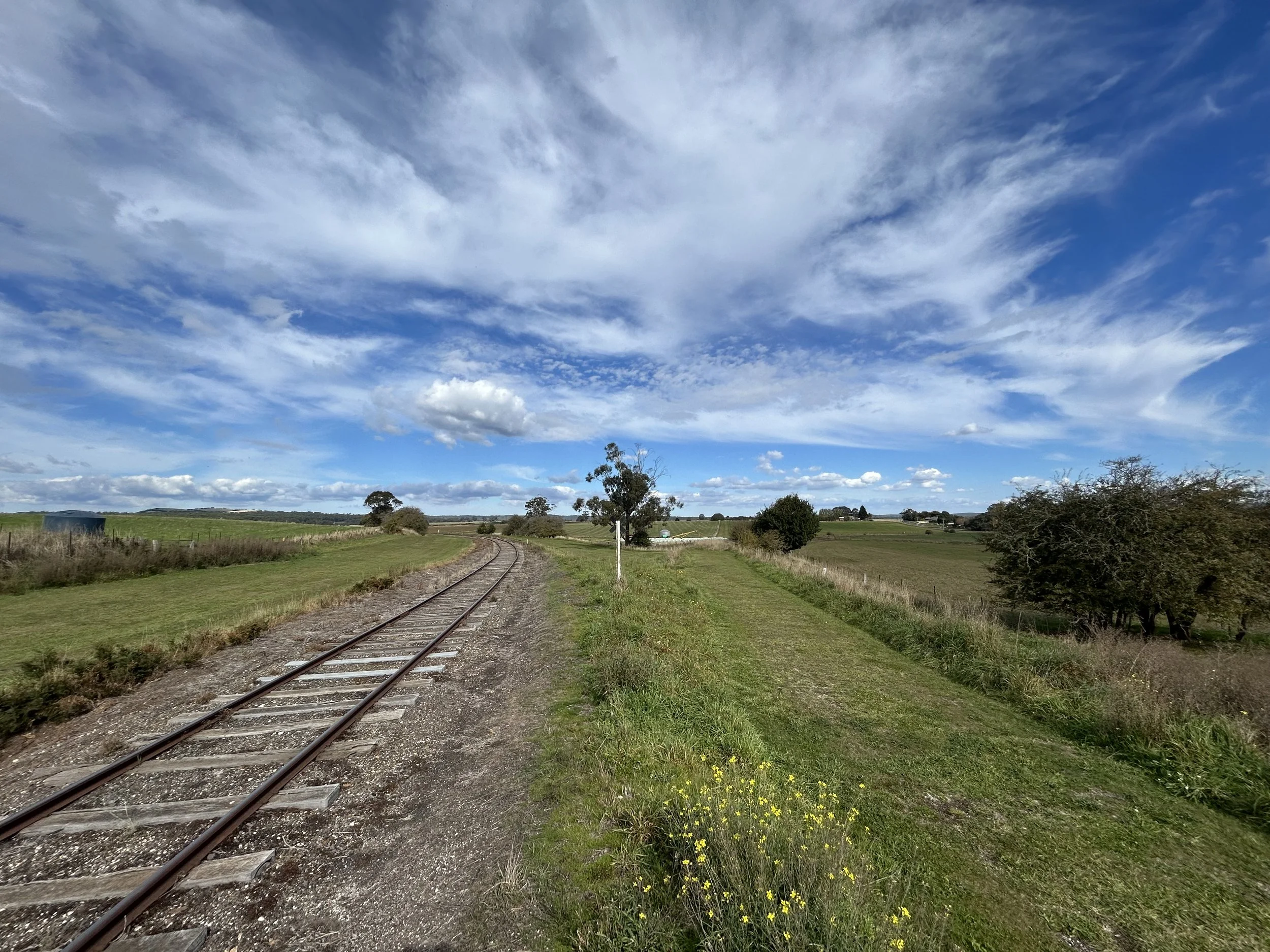
Dead Man’s Curve & the Old North Creswick Junction (approx. 1 mile / 1.6 km from Daylesford) Just prior to the former junction, the track curves through a section locally known as “Dead Man’s Curve”, named after the deep underground gold deposit called Dead Man’s Lead. Shortly after, you’ll see the remains of the former railway line to North Creswick curving away through the paddocks. This line opened in 1887 and provided a direct connection to Ballarat. Passenger and freight services continued until the Daylesford–Newlyn section partially closed in 1953.
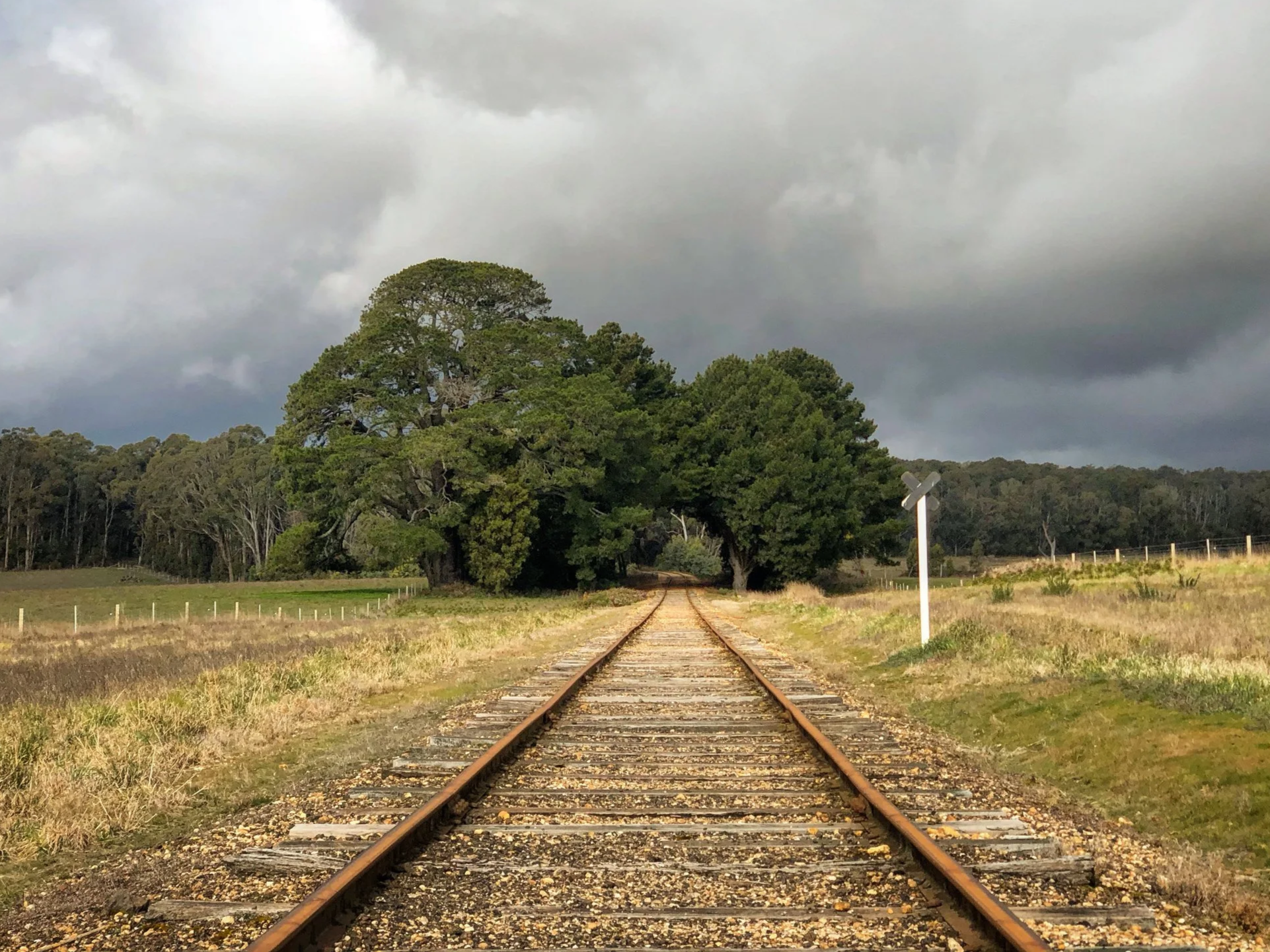
The Classic Branchline Experience Following the old junction, enjoy the distinctive clickety-clack and gentle rocking of the carriage you are travelling in — a nostalgic reminder of rail travel on Victoria’s once-vast rural branch lines. This section is the only remaining example of a classic Victorian Railways 60lb broad gauge branch line in the state. Much of the track and formation you’re travelling over today has remained largely untouched since construction 146 years ago.
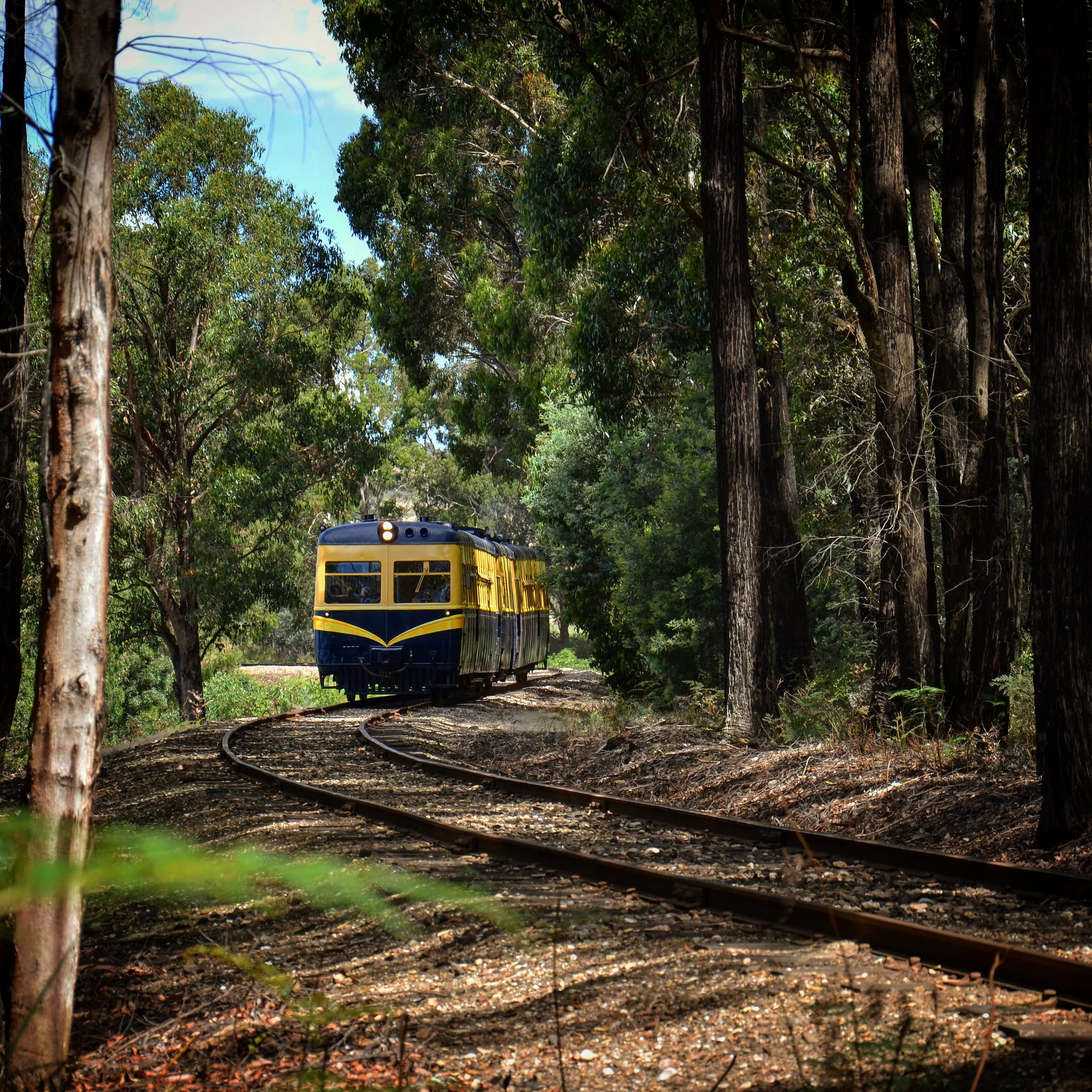
The Climb Begins The line now starts a steady ascent on a steep 1 in 50 gradient, curving its way through challenging terrain as it climbs the Great Dividing Range toward Bullarto.
Musk Station
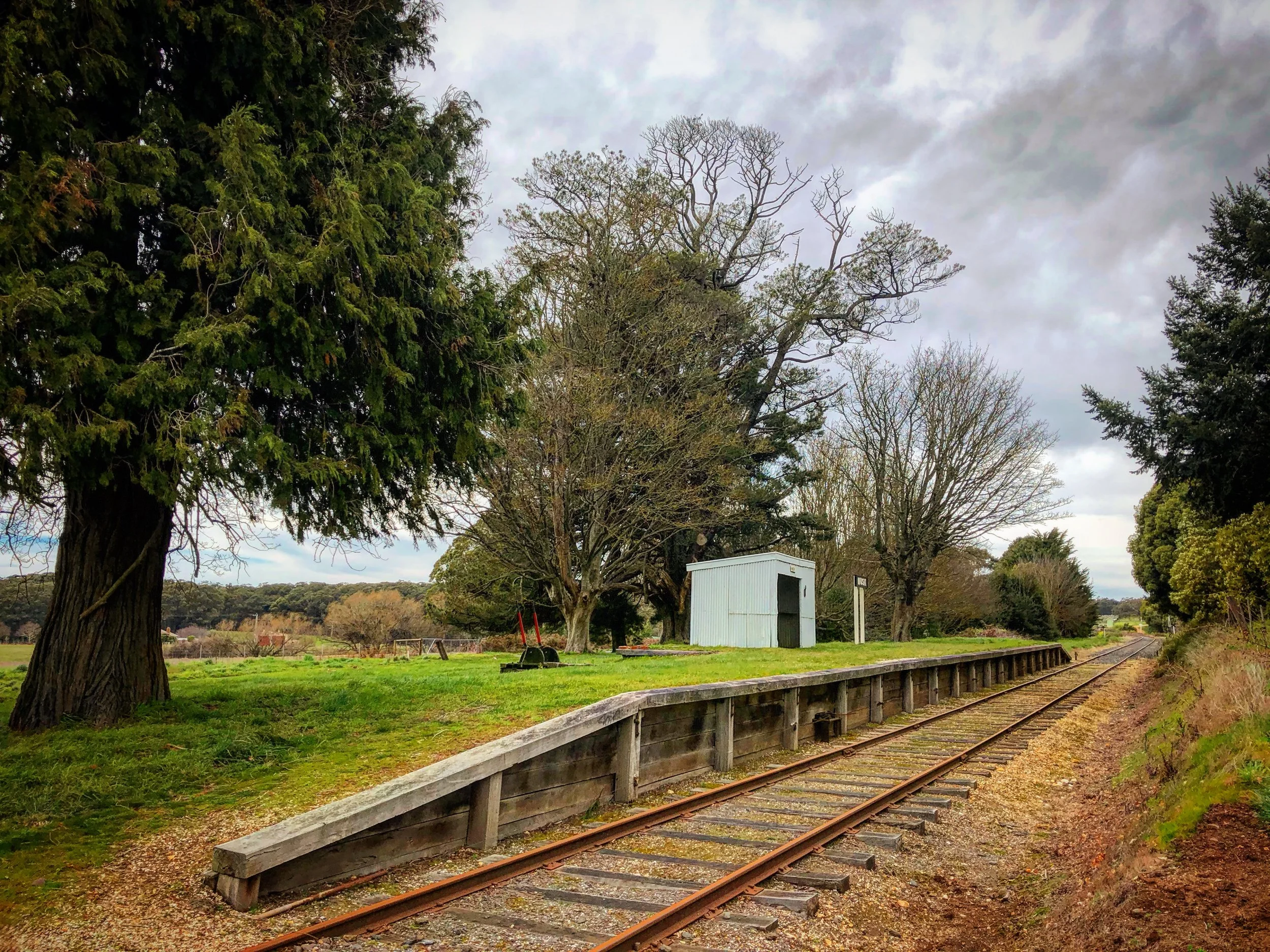
Soon you’ll pass the small hamlet of Musk. The station features a classic “Mallee shed” type station building — once common across remote Victoria, Musk now has the only remaining example in the state. Originally named Musk Creek, the name was shortened in the early 1900s. This was the original terminus when heritage services began in 1990.
Passing Clouds Station
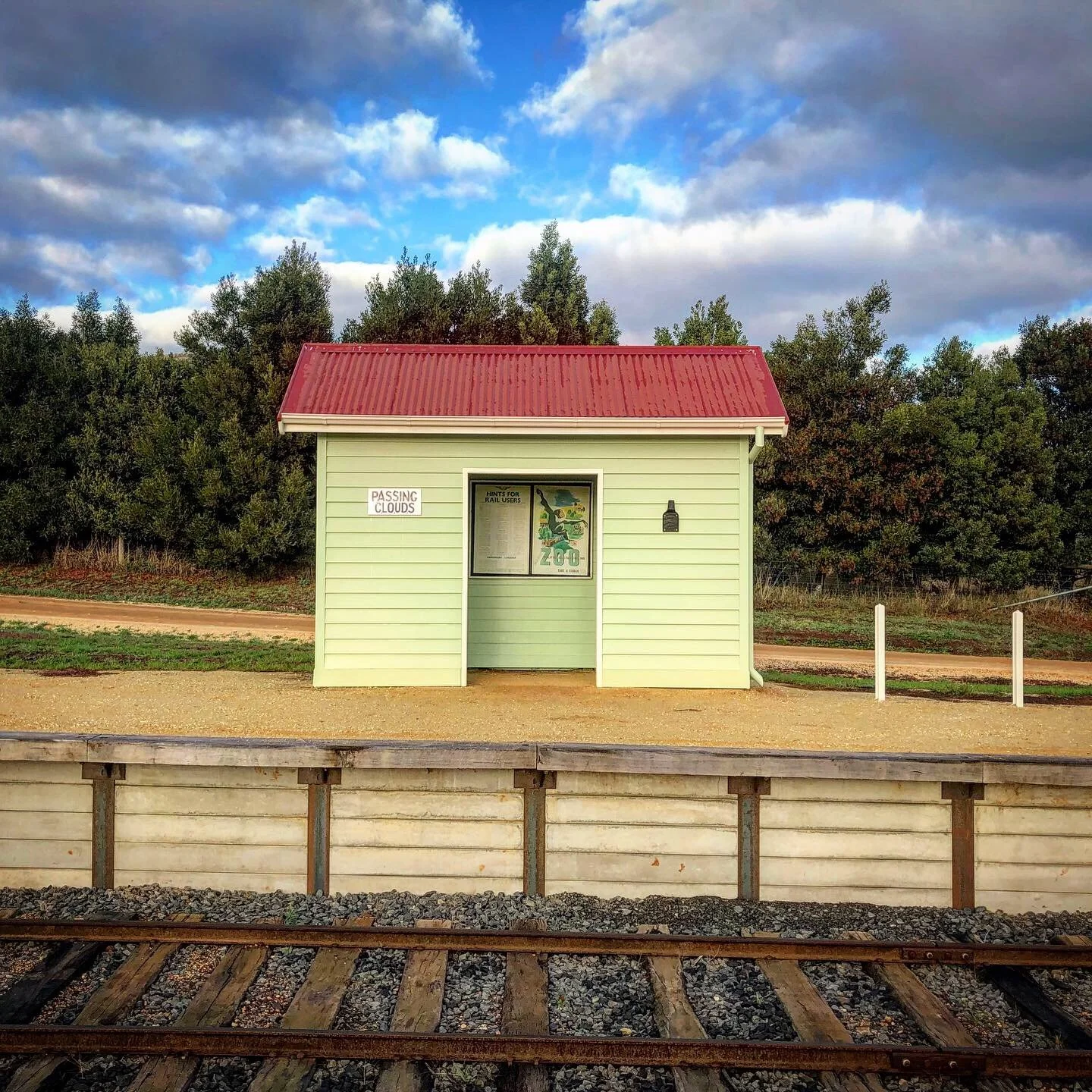
Shortly after Musk, the train trundles past Passing Clouds. The platform and shelter were built in 2017–2018 in partnership with the adjoining winery and modelled on the original waiting shelter from Carlsruhe. Passengers can alight here for a short walk to the award-winning Passing Clouds cellar door to sample the region’s excellent cool-climate wines.
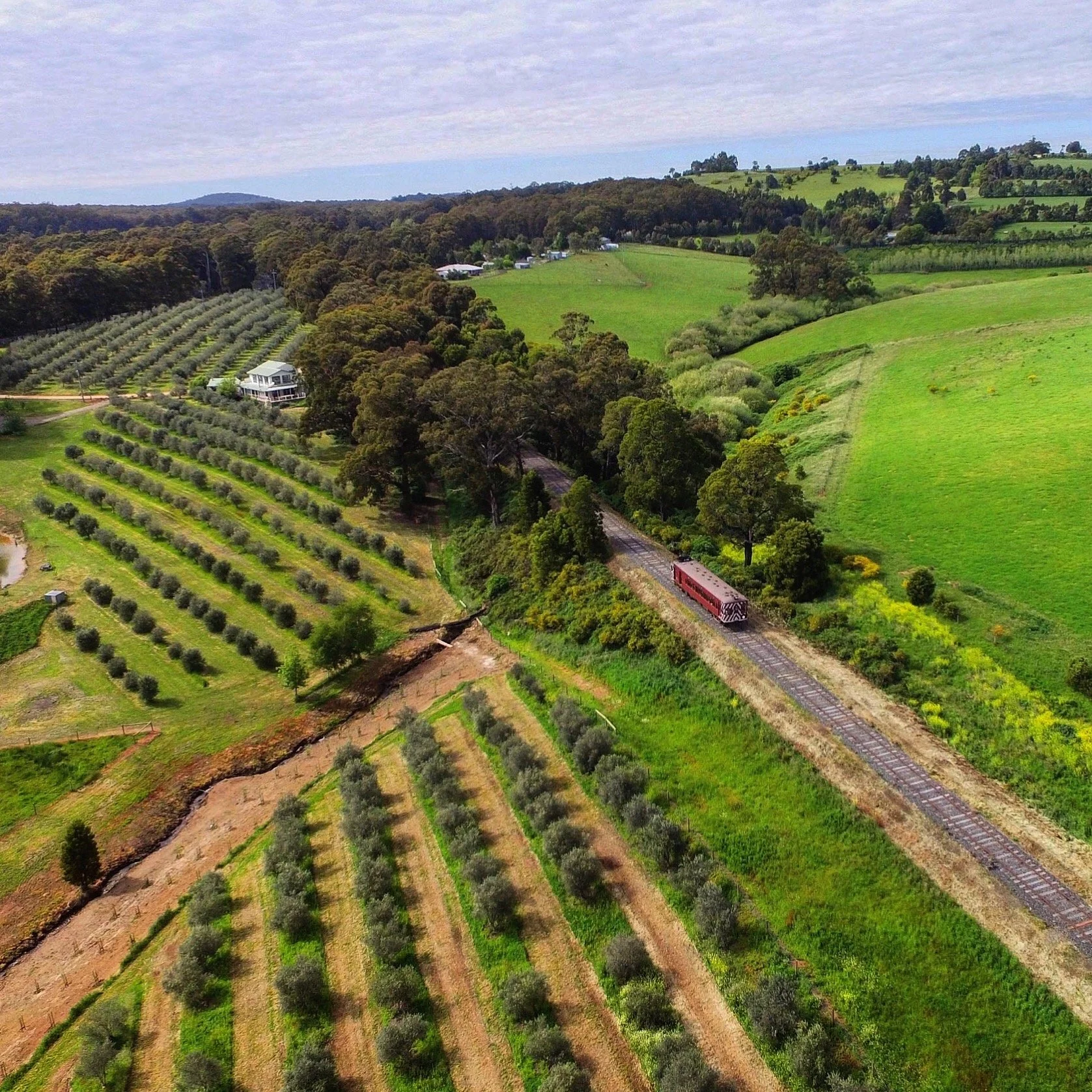
The challenging earthworks beyond Passing Clouds are evident as the line continues its climb. The substantial embankments and deep rock cuttings here highlight the engineering challenges faced by construction crews in the late 1870s. The largest cutting contains unique prehistoric geological features, including extremely rare graptolite fossils indicating a marine environment existed here approximately 470 million years ago.
Bullarto - Victoria’s Highest Operating Railway Station
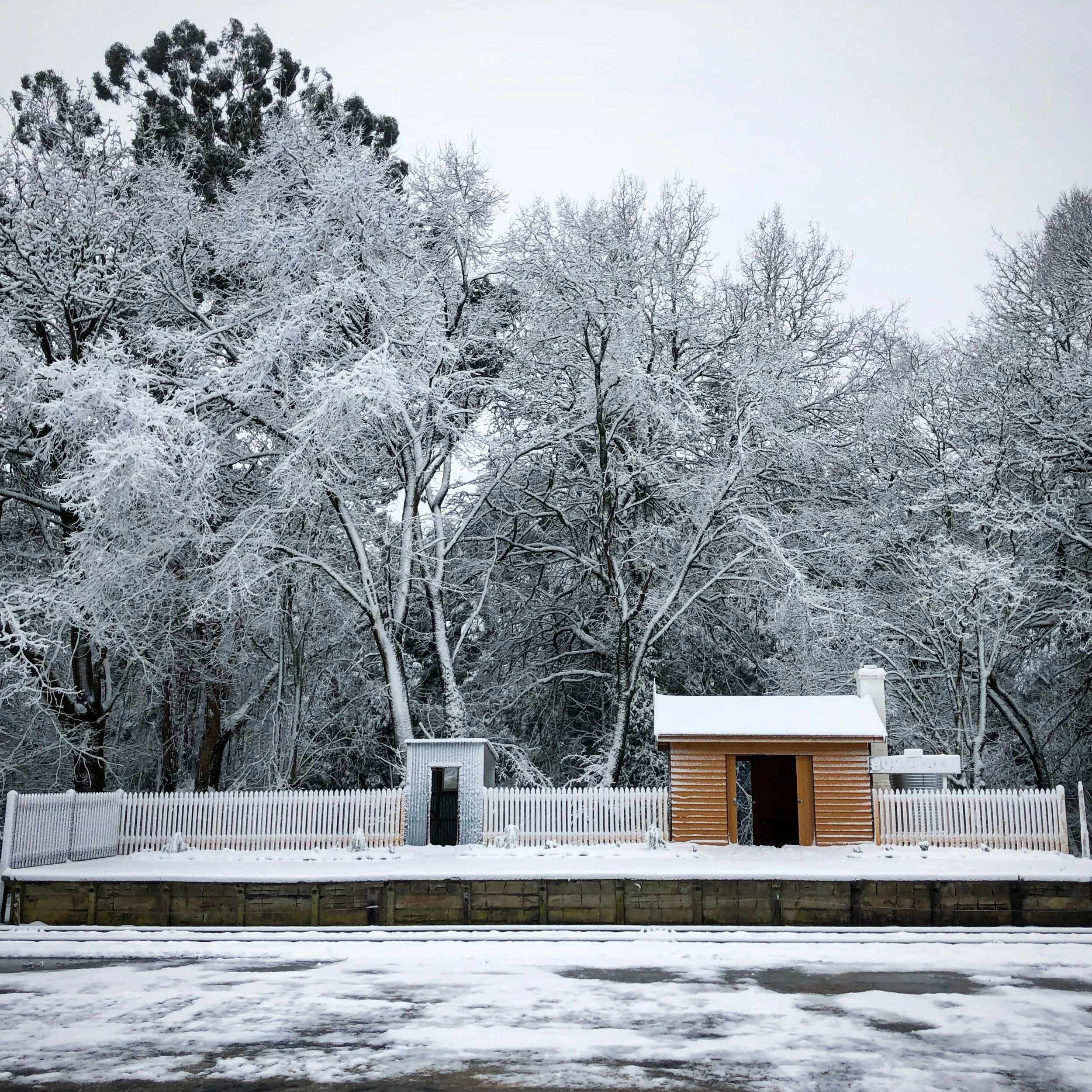
As the train winds upward through the mountains, you arrive at Bullarto, the current terminus of the line and Victoria’s highest operating railway station at approximately 747 metres (2,452 feet) above sea level.
Bullarto’s Rich History
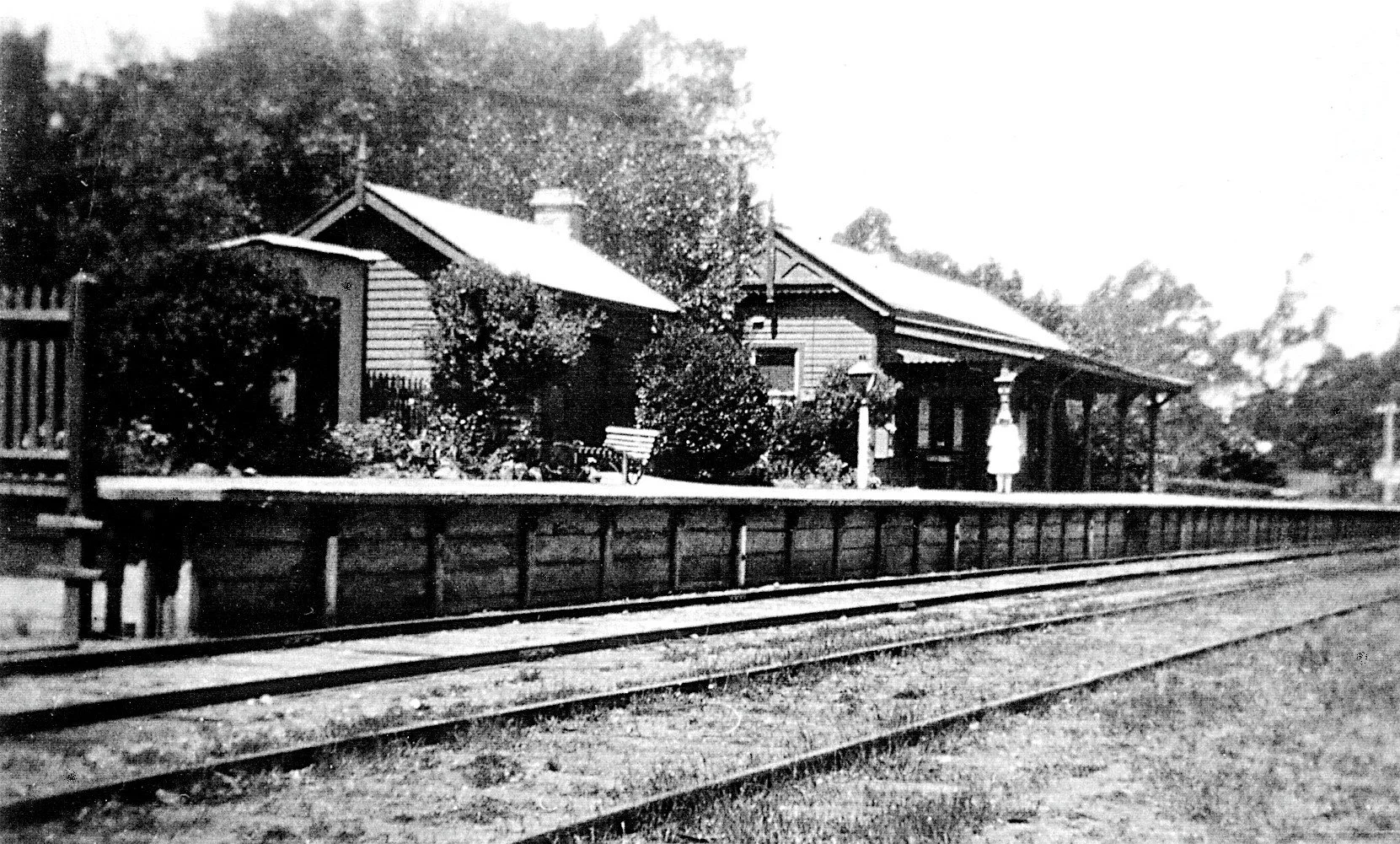
The station opened on 17 March 1880 as the only intermediate station between Trentham and Daylesford. At its peak, it featured five sidings and served as a busy hub for timber and potatoes.
Bullarto was once the terminus for a timber tramway owned by prominent politician and local figure James Wheeler (who later became Minister for Railways). His tramway connected his Mount Wilson mill to the station for transhipping timber. Wheeler initially advocated for a direct rail link to Ballarat via Bullarto rather than Daylesford, though the Daylesford route was ultimately chosen.
The station experienced its share of drama: in the early 1900s (around 1905), it was broken into and the safe stolen (containing a modest £3–£4). During the depression, timber demand fell sharply and many local mills, including Wheeler’s, closed.
By the 1960s–1970s, traffic had declined dramatically. Facilities were rationalised, the platform and goods shed removed, and a simple “Mallee shed” shelter provided. The station operated under “no-one-in-charge” conditions before the entire line closed on 3 July 1978.
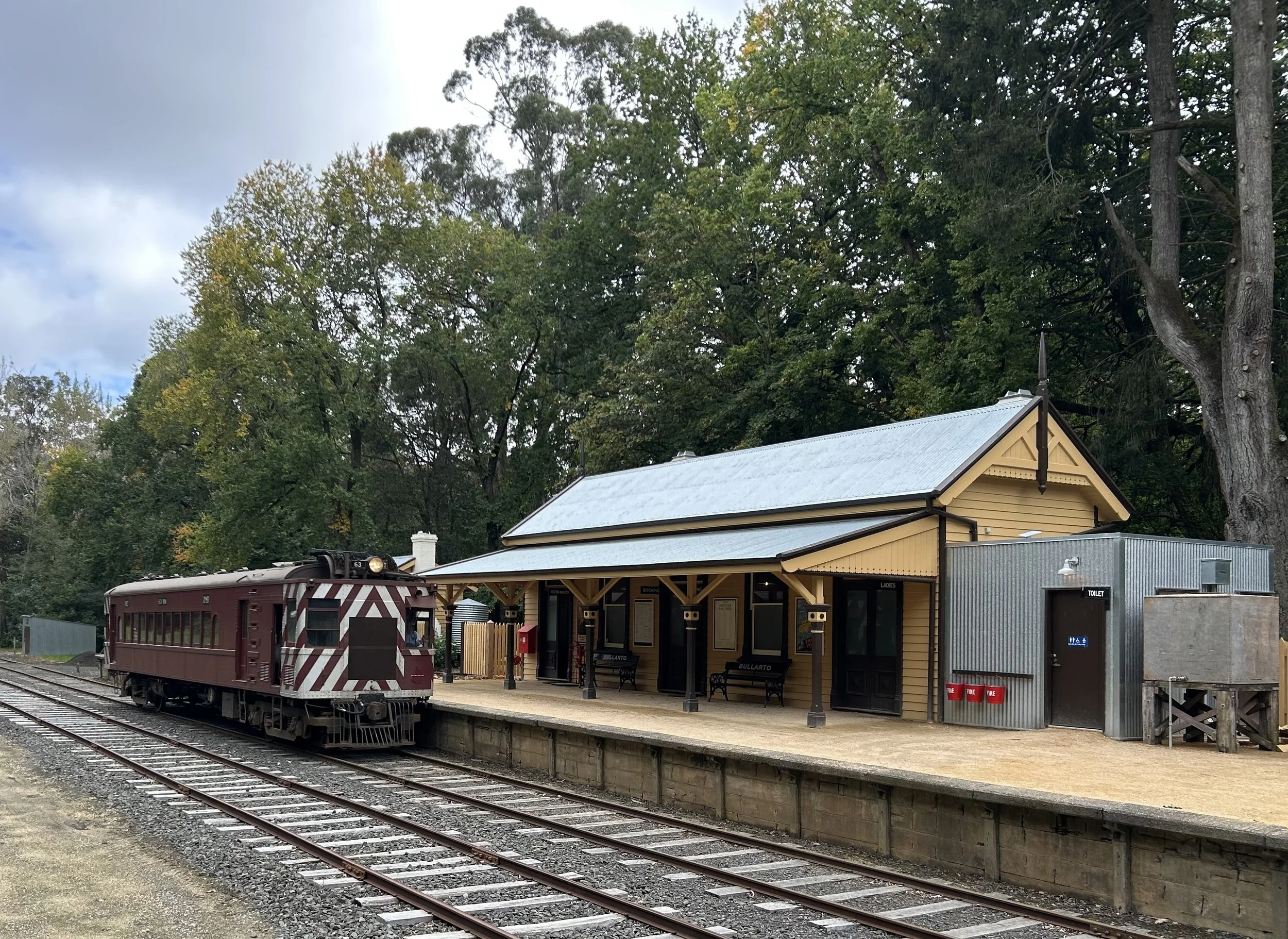
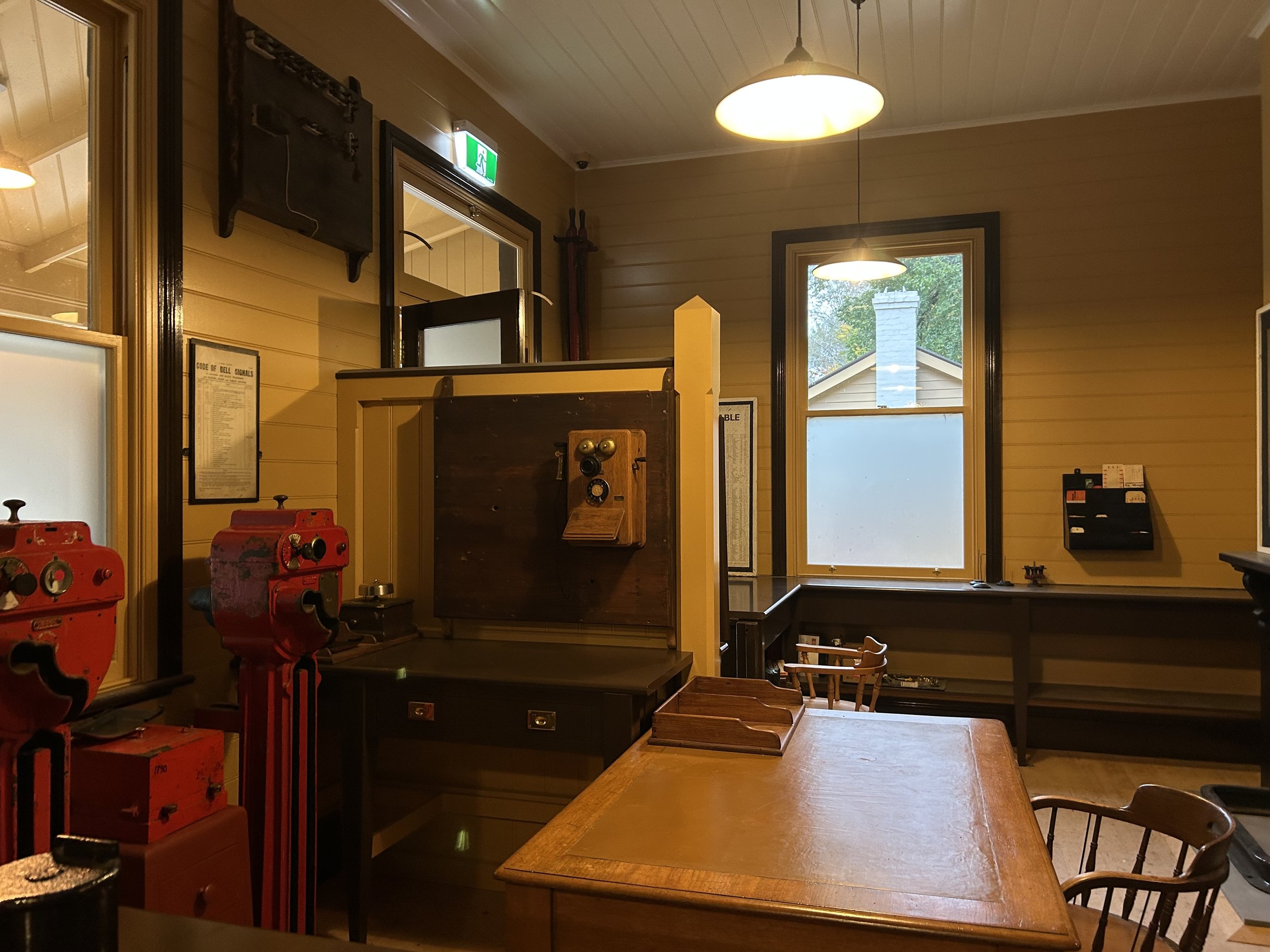
Today’s Bullarto station has been faithfully recreated to represent a classic Victorian Railways branchline station of the 1930s. Because virtually nothing remained after closure, all the structures you see — including the handsome station building — are careful replicas built with great attention to historical detail. The site now includes historical exhibits that bring the golden era of rural rail travel to life.
We will stop here for approximately 10–15 minutes. Please take time to wander through the magnificent station buildings, platform, and gardens.
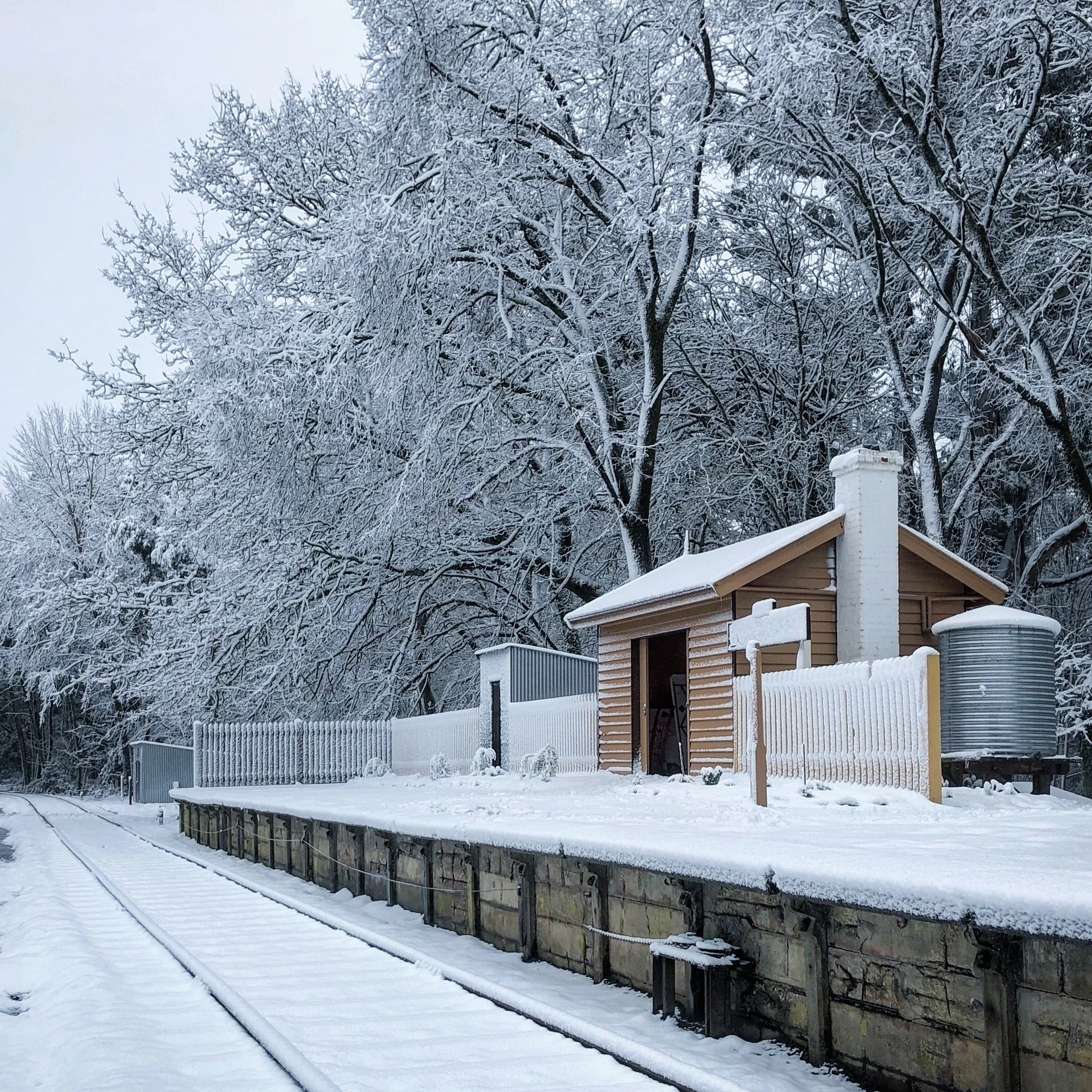
Fun fact: Because of its elevation, Bullarto often sees snowfall in winter, adding a magical touch to the landscape.
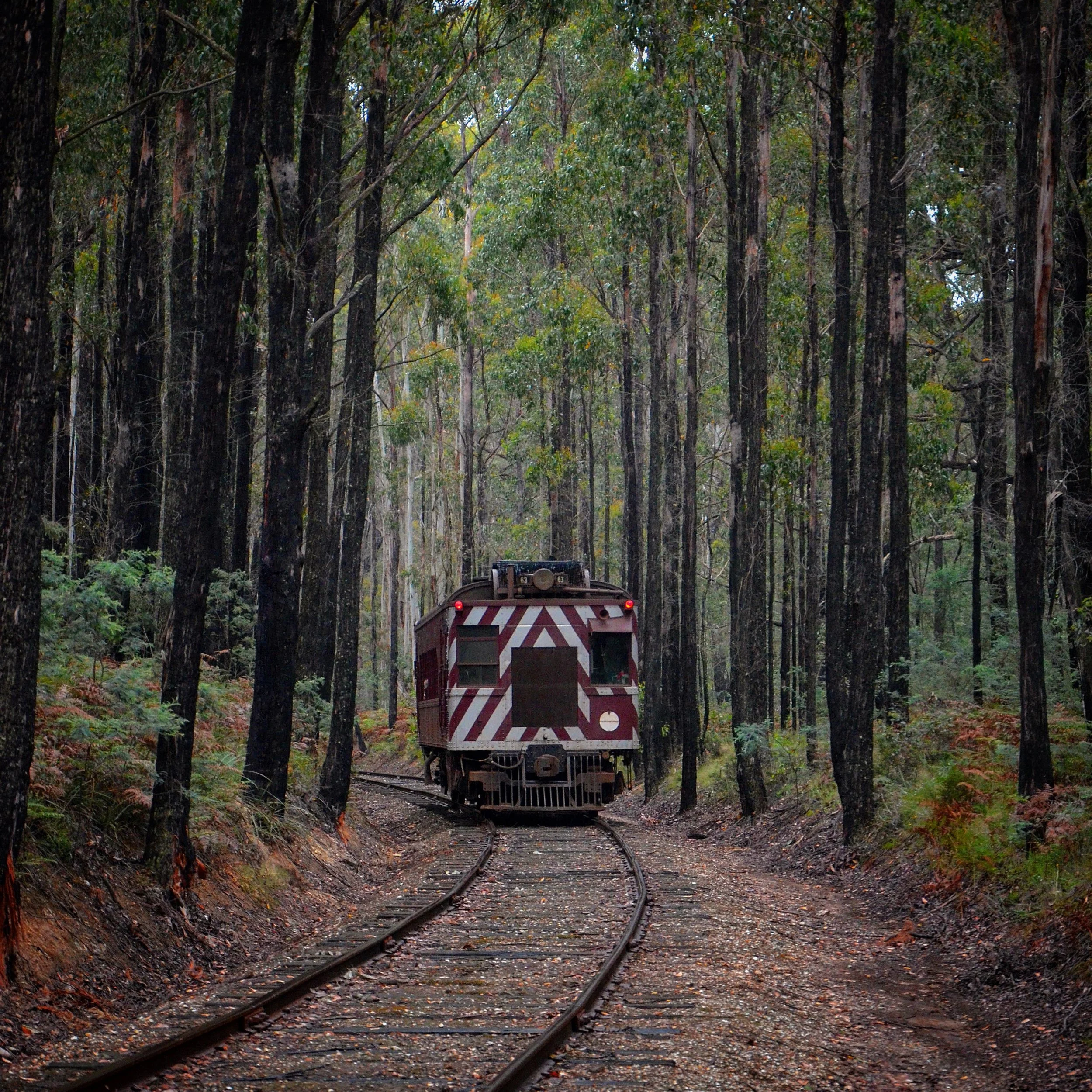
We hope these stories and sights make your journey even more memorable.
On your return journey take time to relax and immerse yourself in rail travel from another era.
The Daylesford Railway is proudly volunteer-run — thank you for helping keep this important piece of Victoria’s rich rail heritage alive.